manufacturing equipment
3D Printer vs CNC Machine: Additive Build vs Subtractive Parts
Compare 3D printers and CNC machines across additive vs subtractive physics, tolerances, anisotropy, programming, cost drivers, and hybrid workflows.
RESEARCH DESK / 04
Manufacturing equipment should be evaluated against a defined part and process. This section starts with CNC routers and supporting spindle systems, helping factory buyers distinguish machine-level requirements from component compatibility. Coverage focuses on public engineering documentation and buyer verification checklists.
STEP 01
Gather a drawing, material description and the intended operations. Record the workholding approach and the finished result that must be checked. A general CNC buying guide cannot establish the performance of a specific configuration on your part.
STEP 02
Look at the working envelope, tooling, spindle, workholding, control and supporting utilities as a system. Ask the equipment maker to confirm compatibility and what is included. Avoid selecting a spindle from one catalog number without reviewing the interfaces.
STEP 03
Use a sample part and an agreed record of the result. Ask about programming, tool changes, maintenance access and support documentation. Setup and validation details belong to the machine manufacturer and the qualified people responsible for the installation.
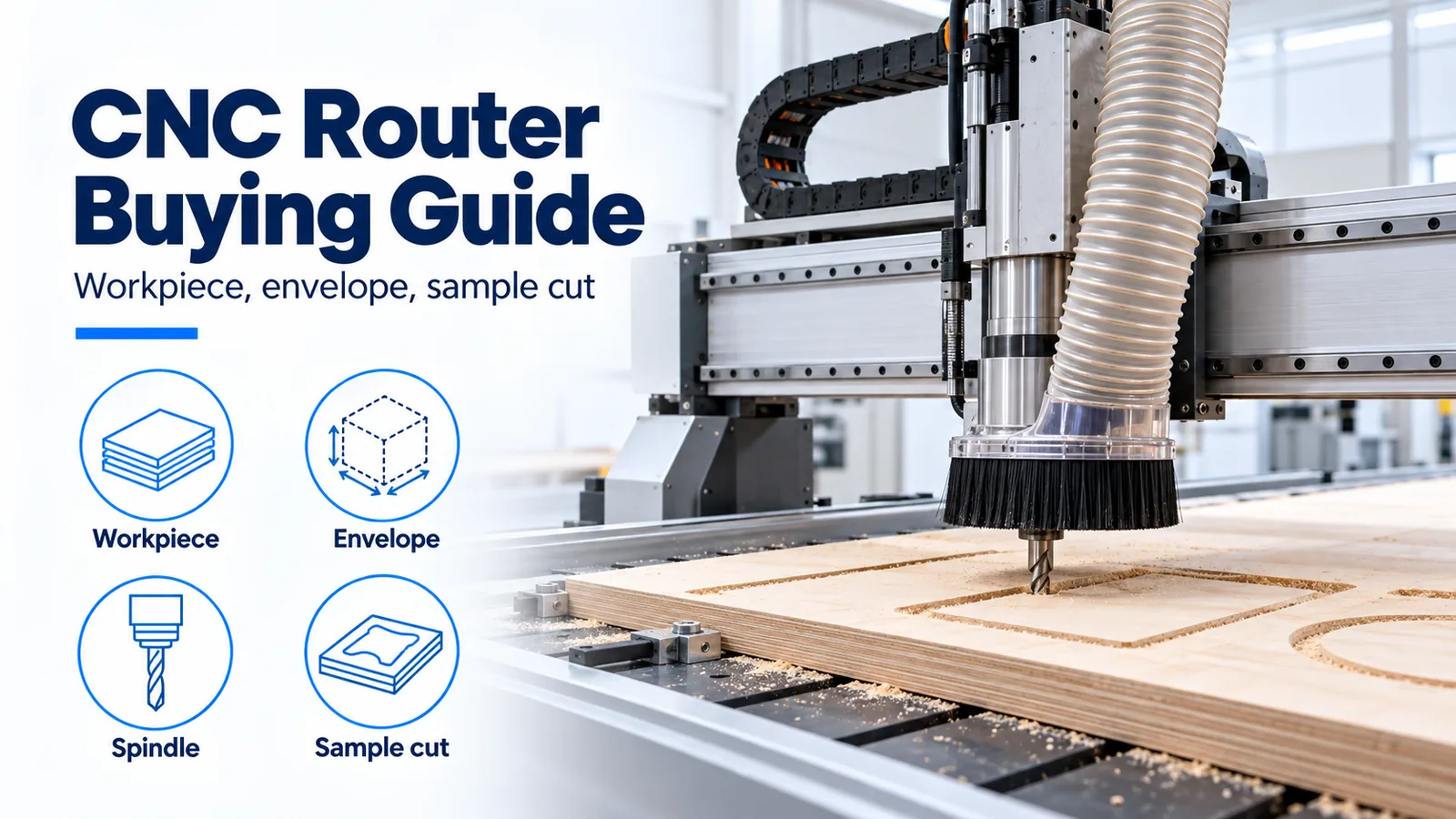
CNC Router Buying Guide: Workpiece, Scope and Sample Cuts — Build a factory CNC router specification from the actual part, then compare workholding, tooling, software, auxiliaries and sample-cut evidence.
ATC Spindle Selection Basics: Confirm the Machine Interfaces — Record tool, mounting, drive, control, cooling and utility interfaces before an ATC spindle purchase, with named owners for written confirmation.
Durst to Acquire MPS Printing: Presses, Webs, and the 2027 Owner — Separate the January 2027 plan, the published MPS web widths, and the US or European party that answers the order.
Kodak PROSPER Plus 5: Retrofit or Replace the Line? — Compare the same finished job across retaining the current arrangement, imprinting retrofit and replacement.
Automatic Pallet Making Machine: Define the Production Scope — Separate timber preparation, manual feeding, nailing and stacking with a process map and blank proposal scope matrix.
Used Pallet Machines: Evidence to Check Before Buying — Build a unit-specific evidence register covering condition, controls, witnessed trials and relocation responsibilities before comparing used-equipment offers.
CNC Spindle Replacement Cost: Repair Scope and Blank Price Cells — Keep each published repair and replacement figure on the supplier page that printed it, and leave this unit's price, lead time, speed, power, and runout blank until a written quote names them.
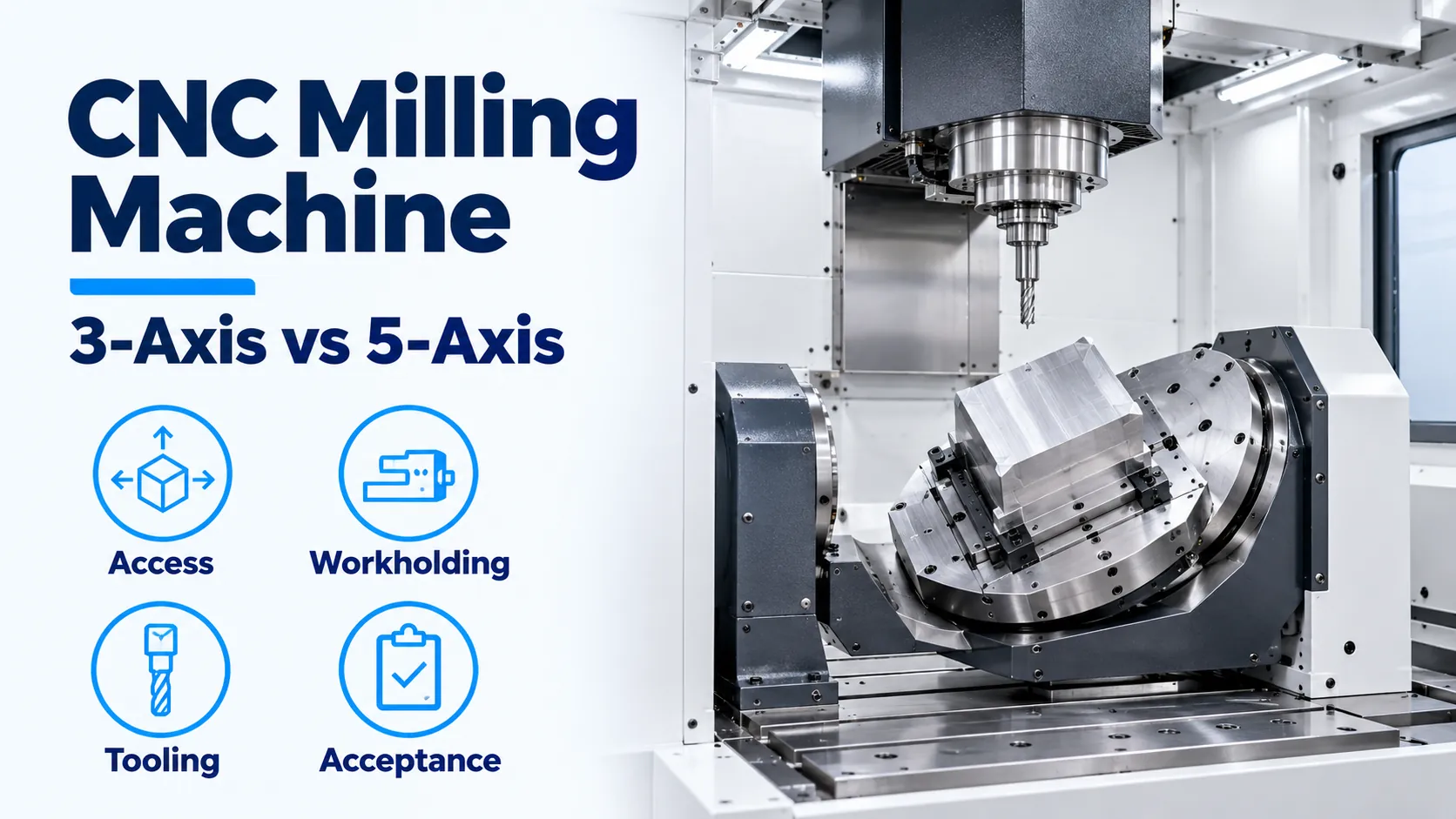
CNC Milling Machine Buying Guide: 3-Axis vs 5-Axis — Compare part access, rotary workholding, tool interfaces and acceptance records for three-axis and five-axis machining.
Industrial Laser Engraving Machine and Marking System Selection — Match fiber, CO2 or UV marking to the actual part, then verify optics, encoder synchronization and finished-code acceptance.
CNC Lathe Turret and Live Tooling: Y Travel and Cut Diameter — Check turret family, live-tool speed and one-sided Y travel against the hole and the turned diameter before a second setup.
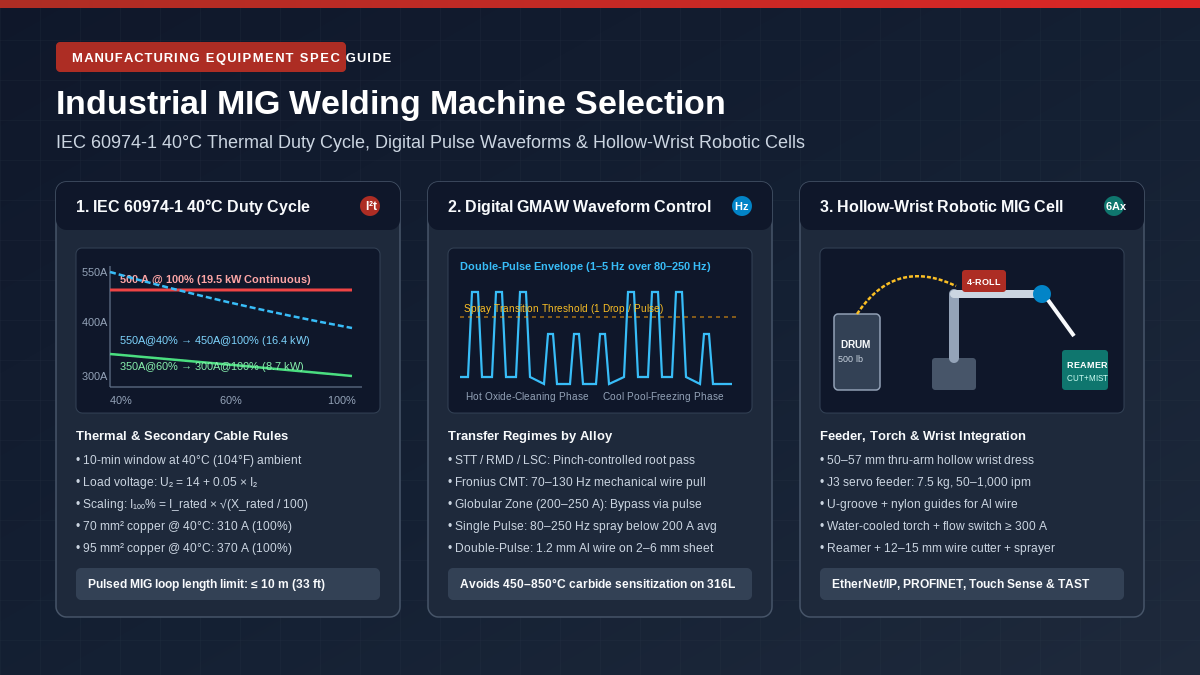
Industrial MIG Welding Machine Selection: 40°C Duty Cycle, Pulse Waveforms, and Robotic Cells — Compare 350 A to 500 A 40°C duty cycle ratings, STT/CMT and double-pulse waveforms, push-pull feeders, and hollow-wrist robotic welding cells.
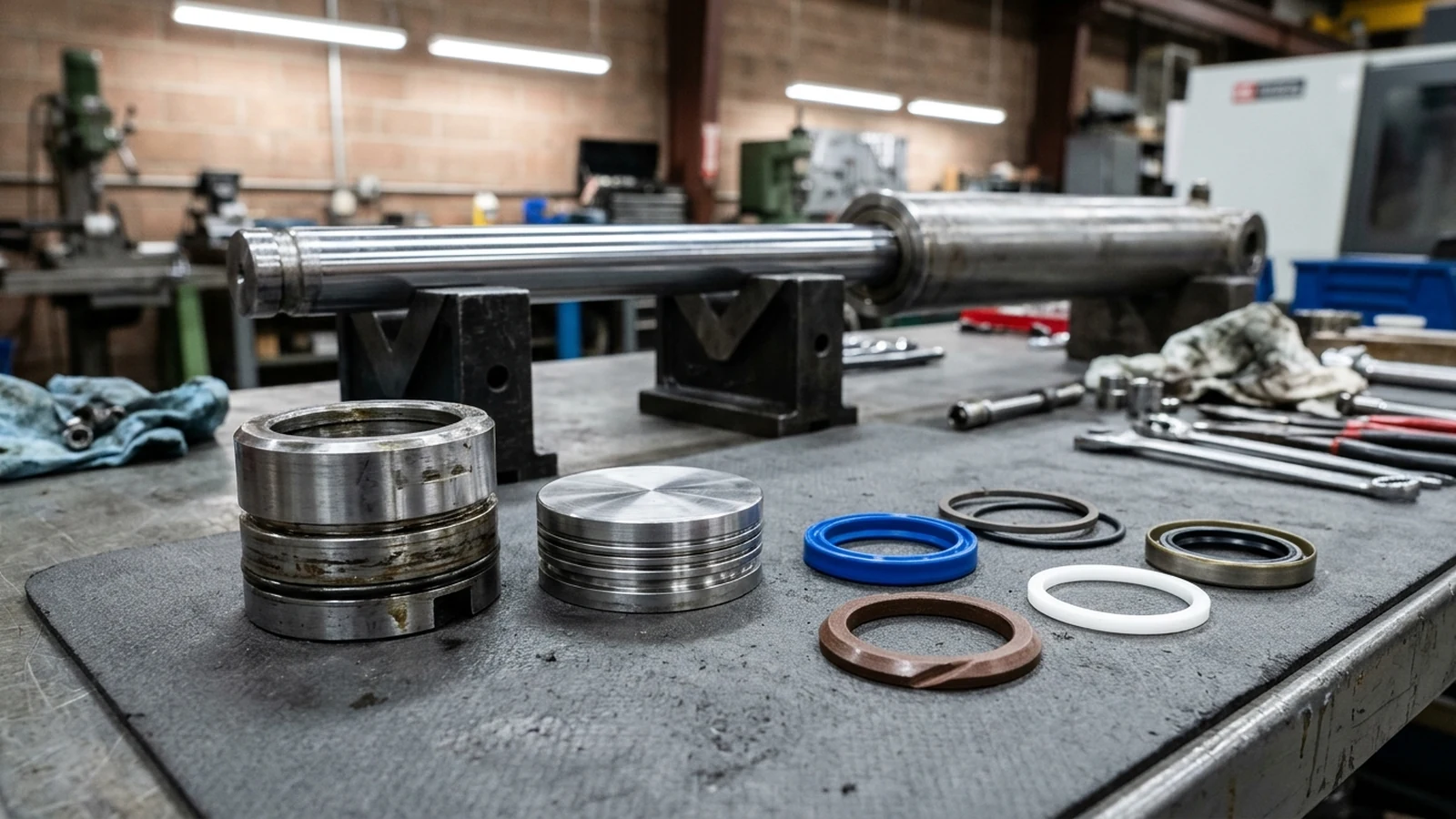
Hydraulic Cylinder Seal Kit Selection: Rod Seals, Piston Seals, Extrusion Gaps & Fluid Compatibility — Verify replacement hydraulic cylinder seal kits across housing groove standards, piston and rod seal profiles, extrusion gap limits, wear rings, and fluid compatibility.
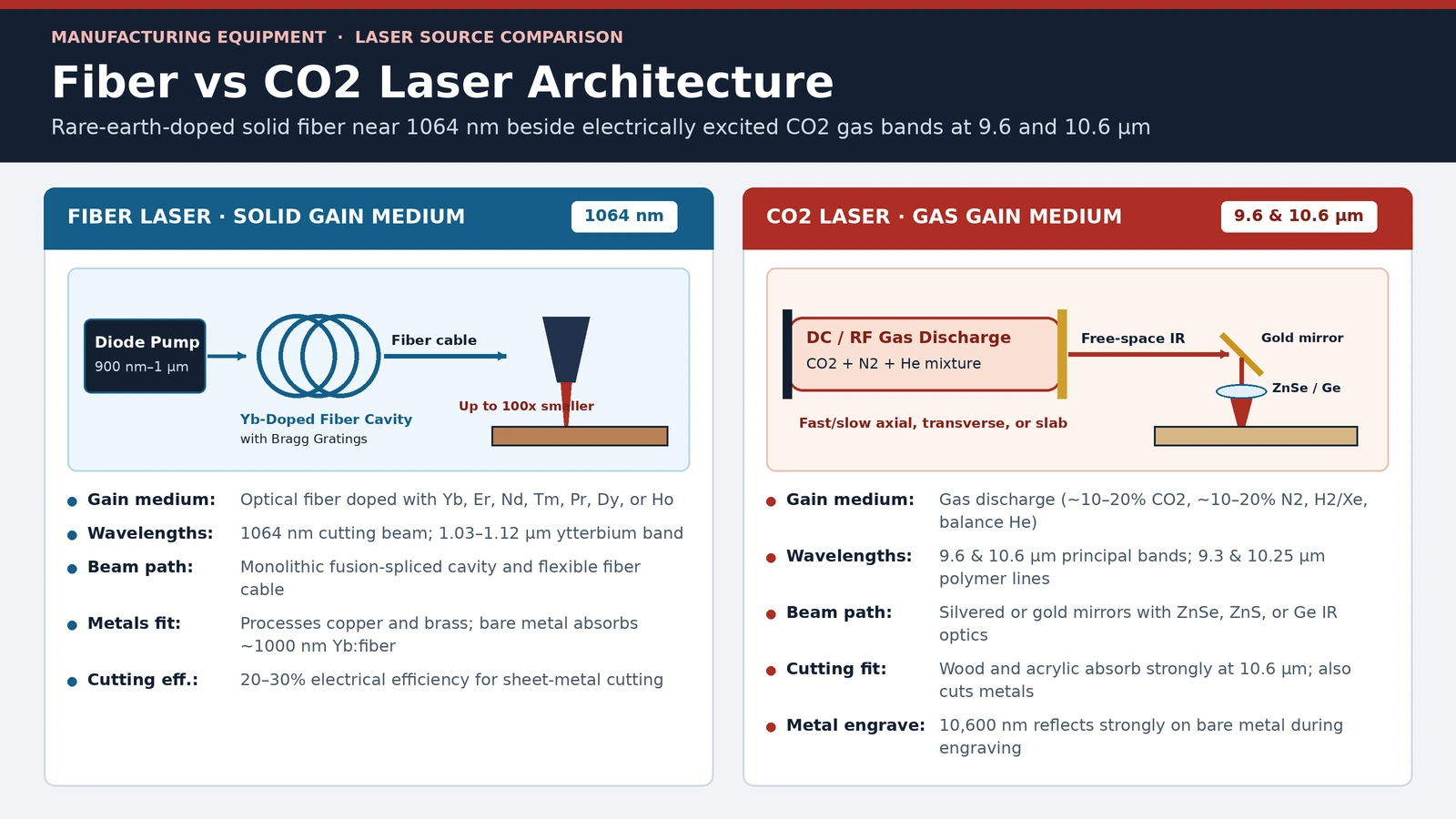
Fiber vs CO2 Laser: Wavelengths, Metals, Wood, and Acrylic — Separate 1064 nm rare-earth-doped fiber sources from 9.6 and 10.6 micrometer CO2 gas resonators across metal cutting, bare-metal engraving, and wood or acrylic absorption.
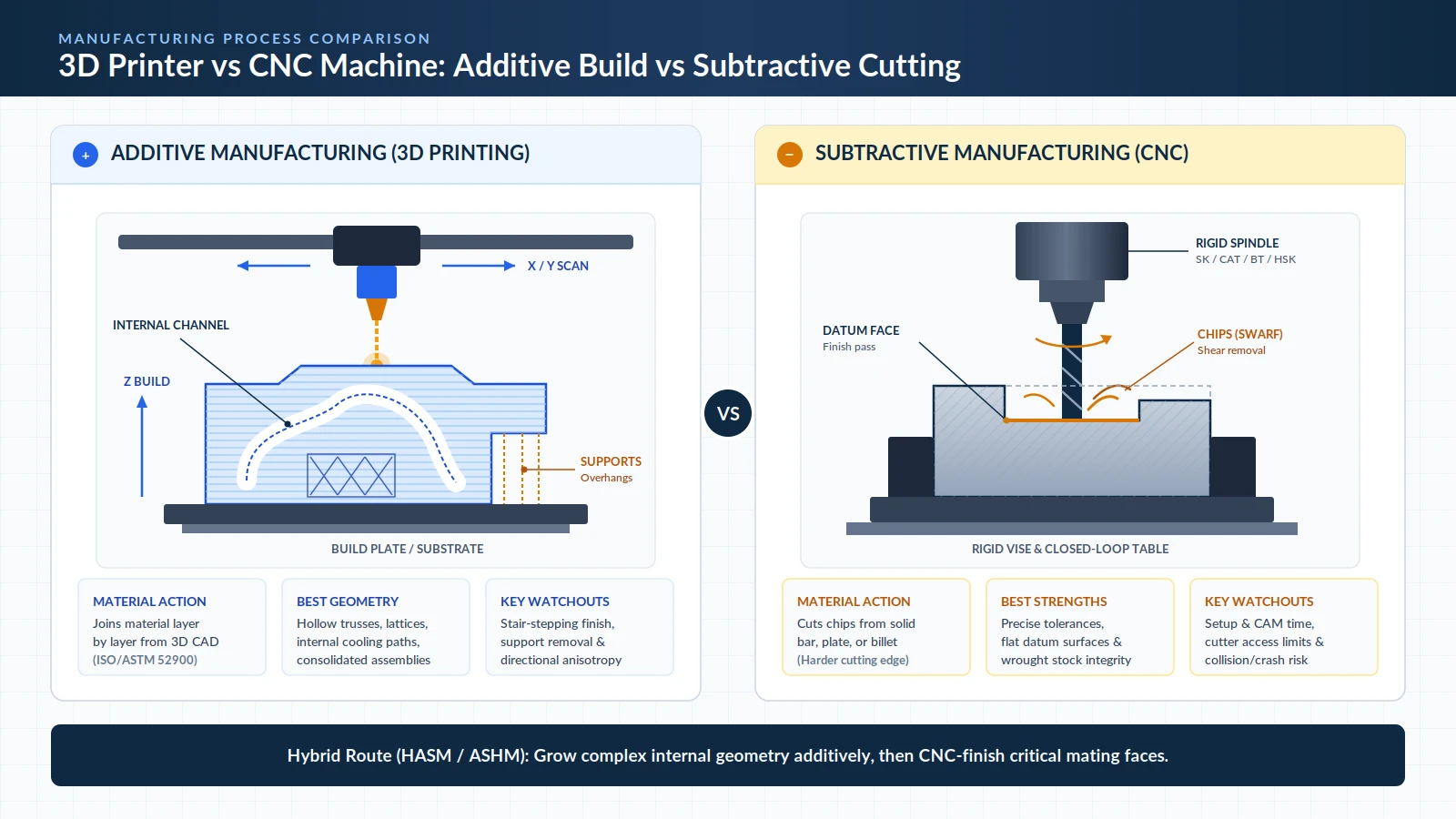
3D Printer vs CNC Machine: Additive Build vs Subtractive Parts — Compare additive layer-by-layer 3D printing and subtractive CNC machining across tolerances, LPBF metal anisotropy, setup complexity, cost drivers, and hybrid HASM routing.
manufacturing equipment
Compare 3D printers and CNC machines across additive vs subtractive physics, tolerances, anisotropy, programming, cost drivers, and hybrid workflows.
manufacturing equipment
Fiber lasers amplify 1064 nm light in rare-earth-doped fiber for metals, while CO2 gas lasers emit near 9.6 and 10.6 micrometers for wood and acrylic.
manufacturing equipment
Select and verify a hydraulic cylinder seal kit across housing groove standards, piston and rod seal profiles, extrusion gap limits, wear rings, and fluids.
manufacturing equipment
Specify an industrial MIG welding machine using IEC 60974-1 40°C duty cycle ratings, STT/CMT and double-pulse waveforms, push-pull feeders, and hollow-wrist robotic cells.
manufacturing equipment
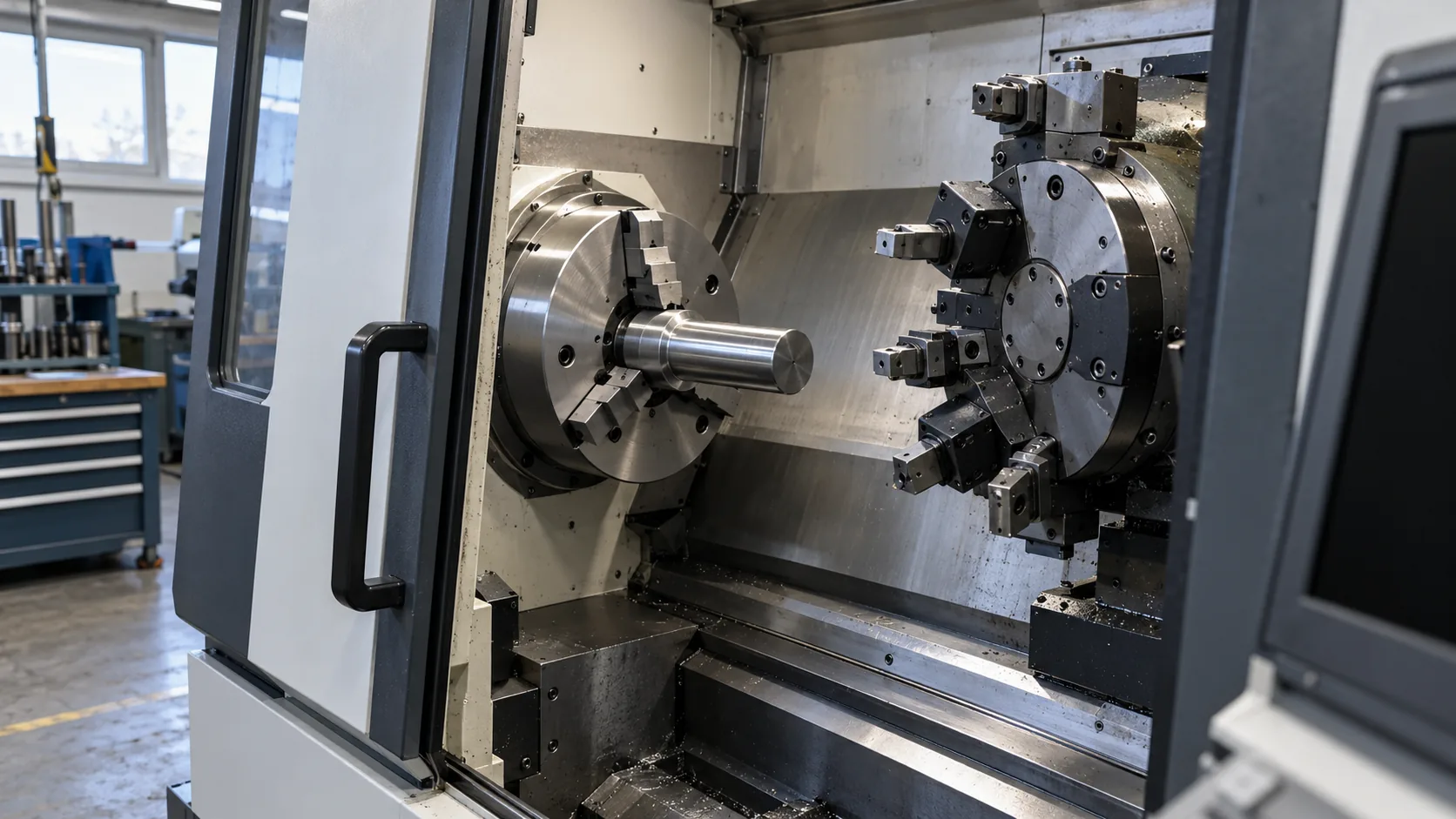
A cross hole outside the published Y travel fails on that turning center. Read turret stations, live-tool speed and cut diameter from the sheet for that model.
manufacturing equipment
Compare a 3-axis vertical CNC milling machine with indexed and simultaneous 5-axis layouts, including workholding, spindle interfaces and acceptance records.

manufacturing equipment
Select an industrial laser engraving machine by material, optical configuration and code requirements, then verify encoder synchronization for moving-line marking.
manufacturing equipment
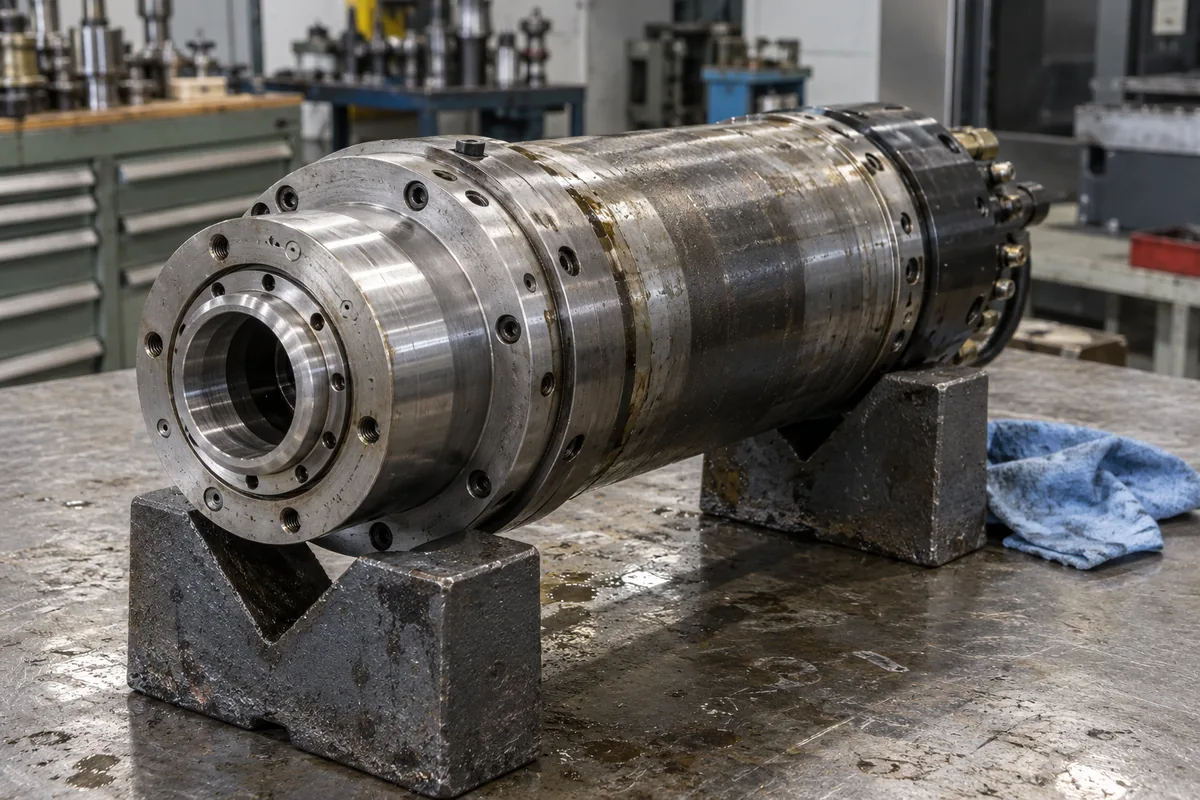
Supplier pages print different CNC spindle replacement and repair figures. Price, lead time, speed, power, and runout for your unit stay blank until a written quote names them.
manufacturing equipment
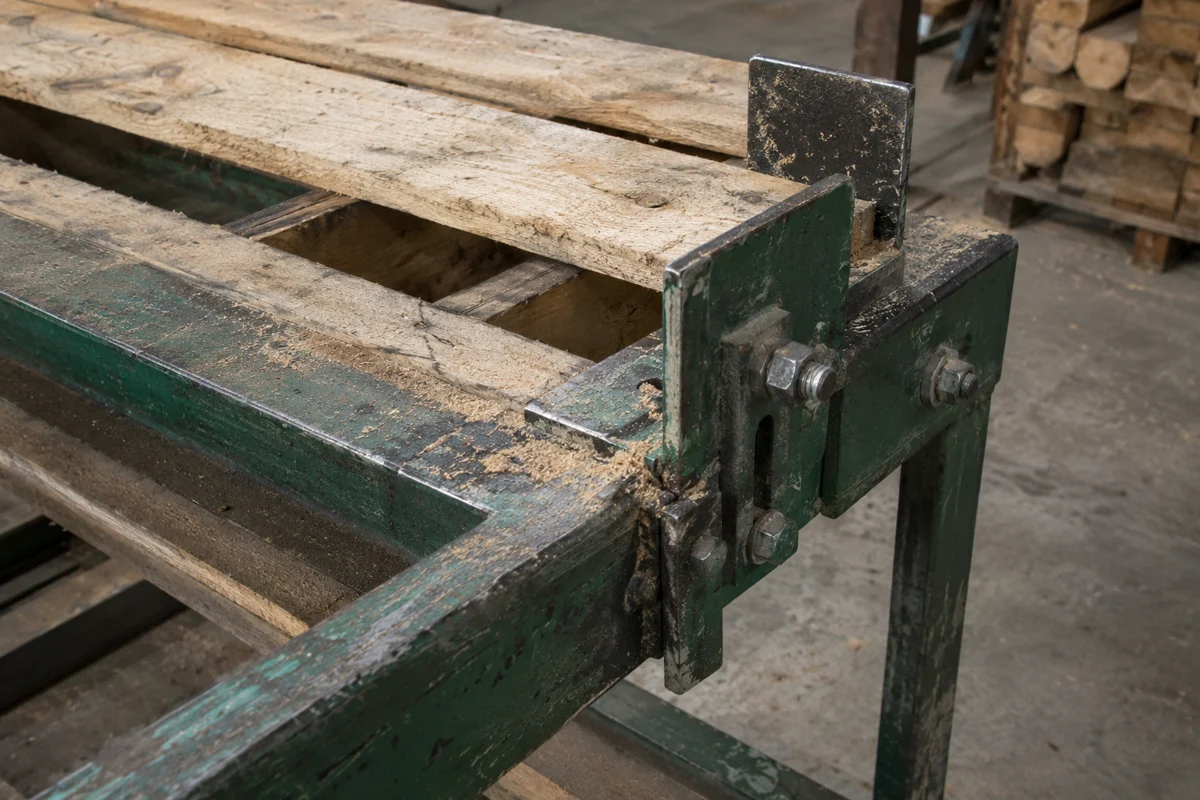
Used pallet machines need purchase evidence from the listing card. Leave price, speed, power, and lead time blank when that card does not print them.
manufacturing equipment
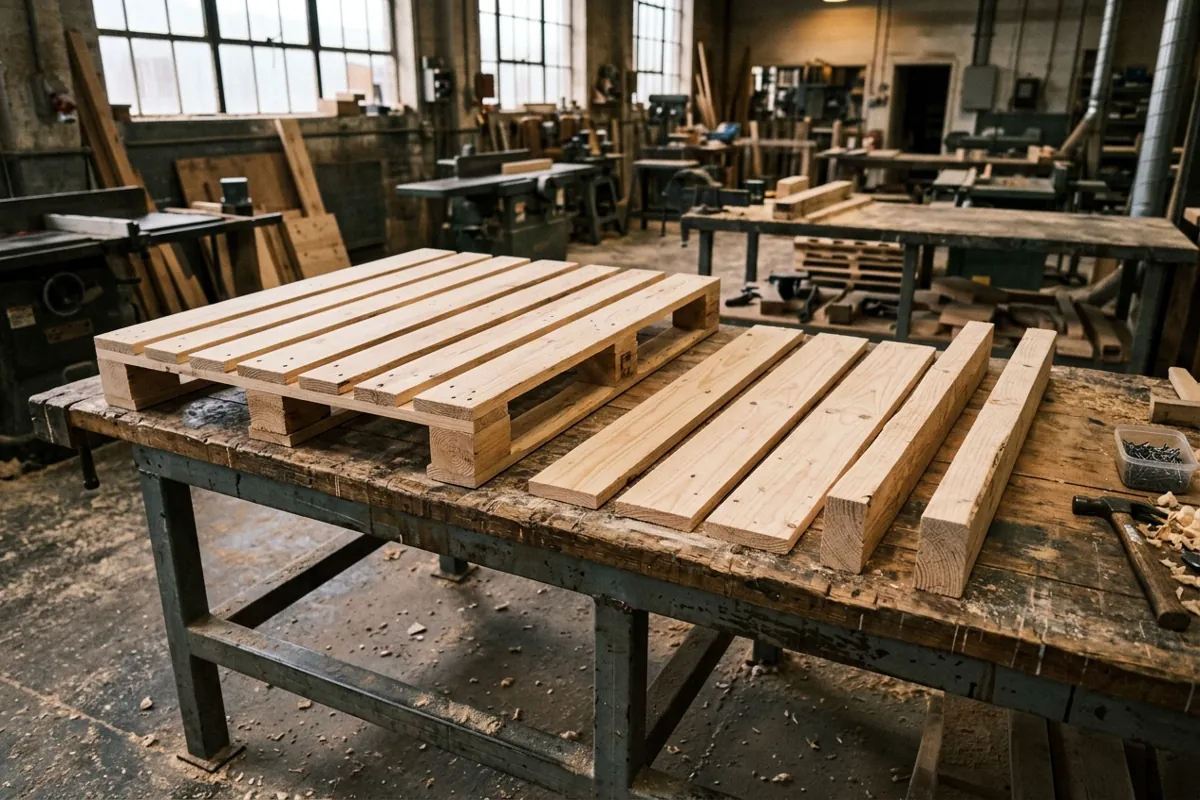
Set an automatic wood pallet making machine scope from the named model row. PalletMach prints manual feeding on both nailers, and preparation rates stay in pieces per hour.
manufacturing equipment
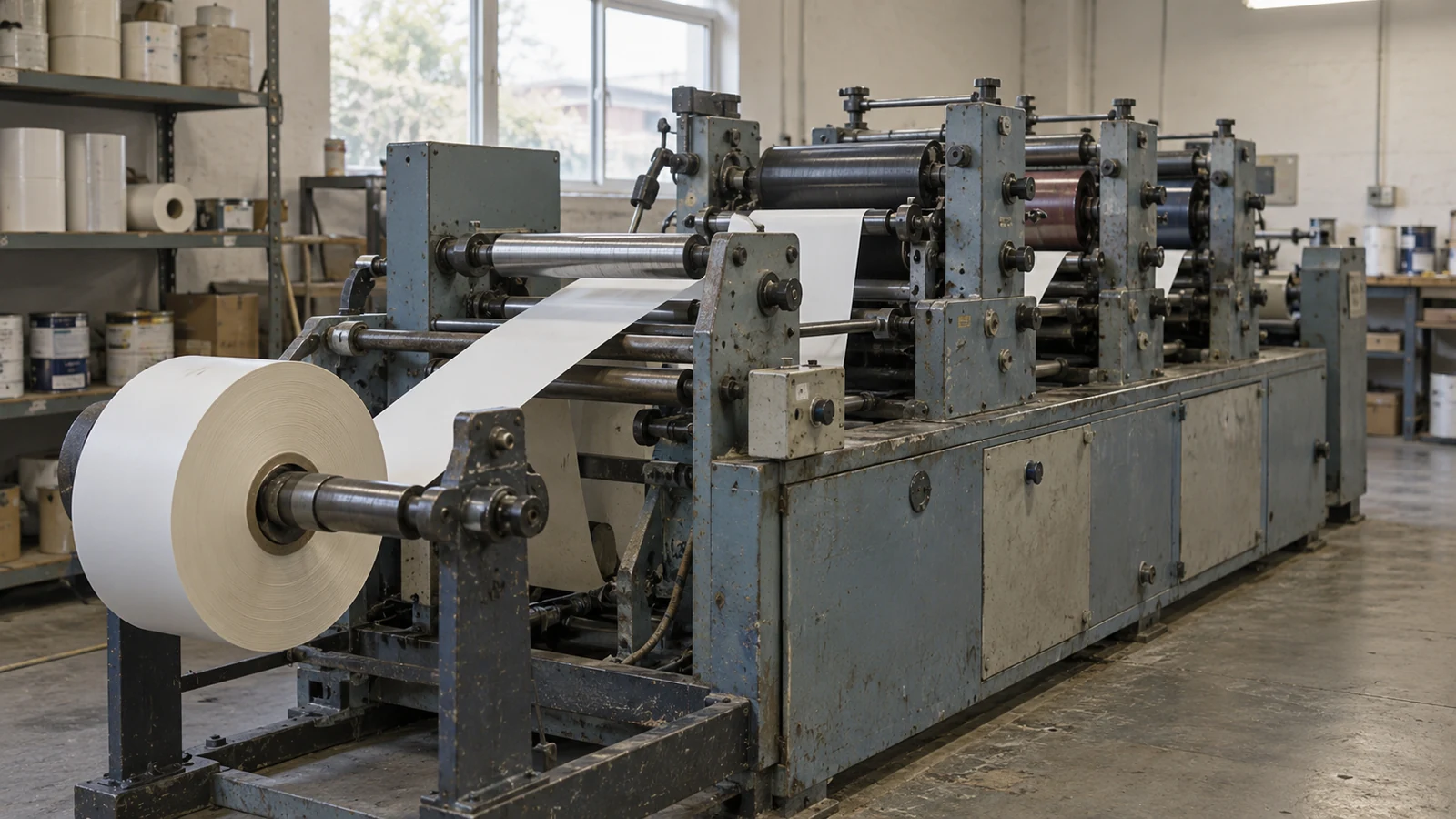
Durst plans to add MPS Printing on January 1, 2027, still subject to closing. Match the published web, inkjet width, and US or European sales party before comparing presses.
manufacturing equipment
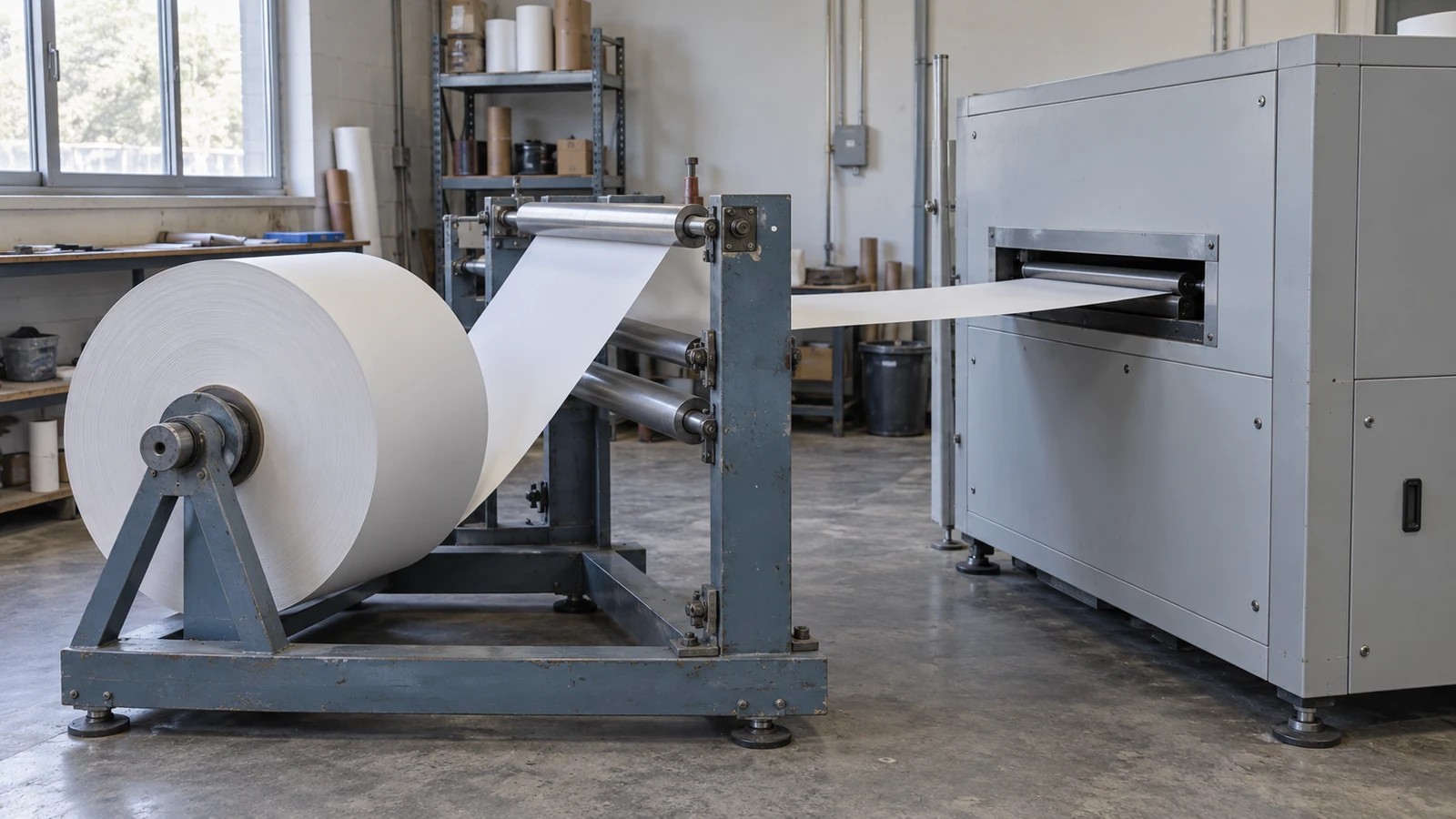
Use Kodak's published Plus 5 speed, resolution, and 105 mm print width to judge whether an existing web can take the imprint without borrowing a faster model's rating.

manufacturing equipment
Confirm taper, drawbar, cooling, sensors and changer scope before an ATC spindle order. A power label alone still leaves the interfaces unresolved.
manufacturing equipment
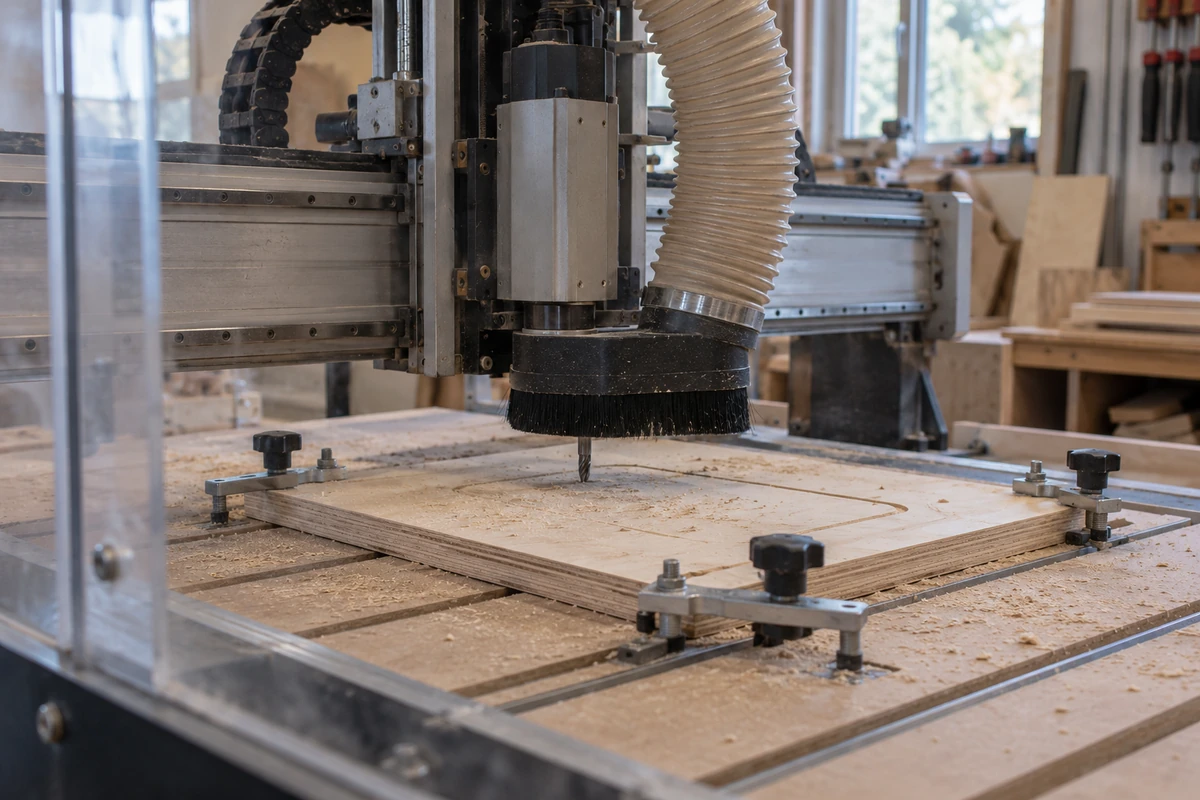
Specify a CNC router from the blank, the published table and Z figures, the spindle option, and a sample cut on that setup.