RESEARCH DESK / 02

Filling & Bottling

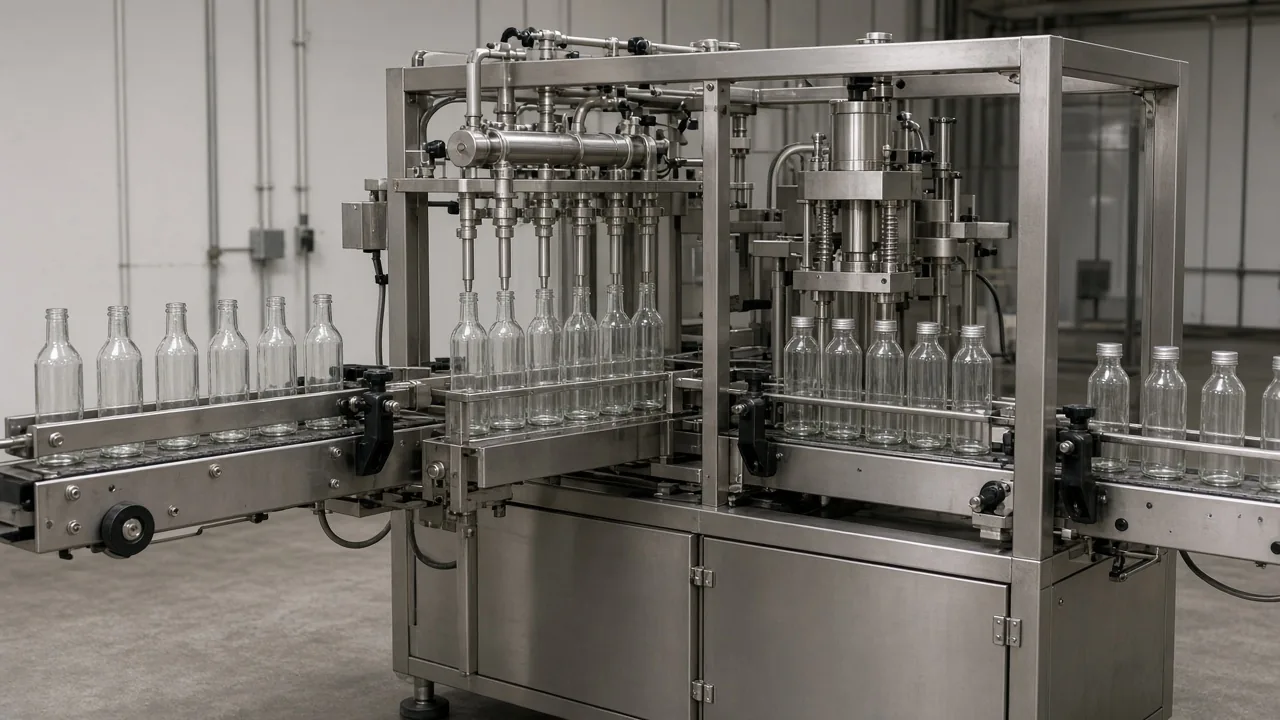
A filling decision connects product behavior to container geometry and the rest of the line. This section covers the questions needed to compare filling methods and rotary or inline arrangements, with particular attention to packaging lines. Its purpose is to prepare a testable brief, rather than to recommend a machine from a product name.

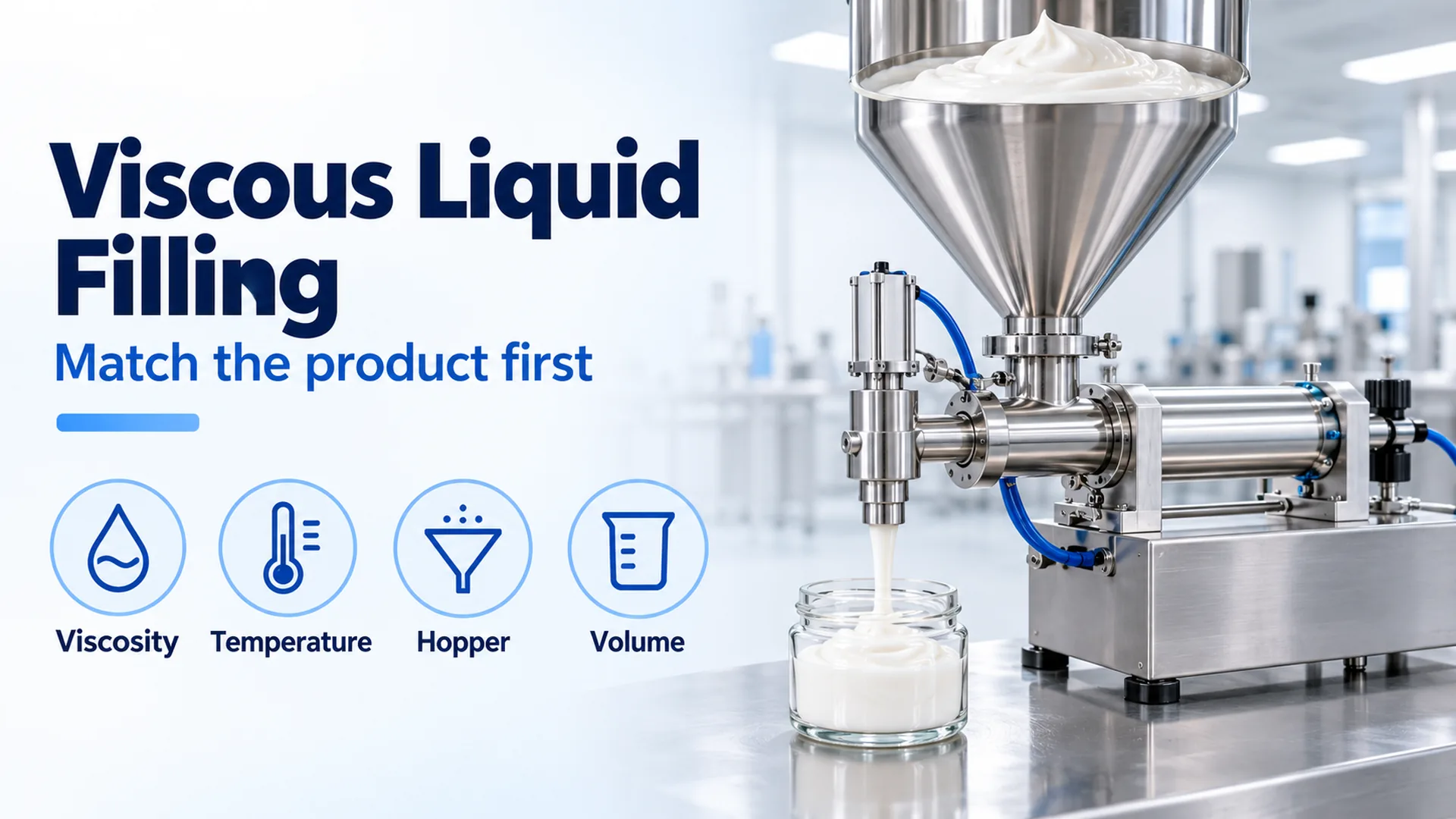
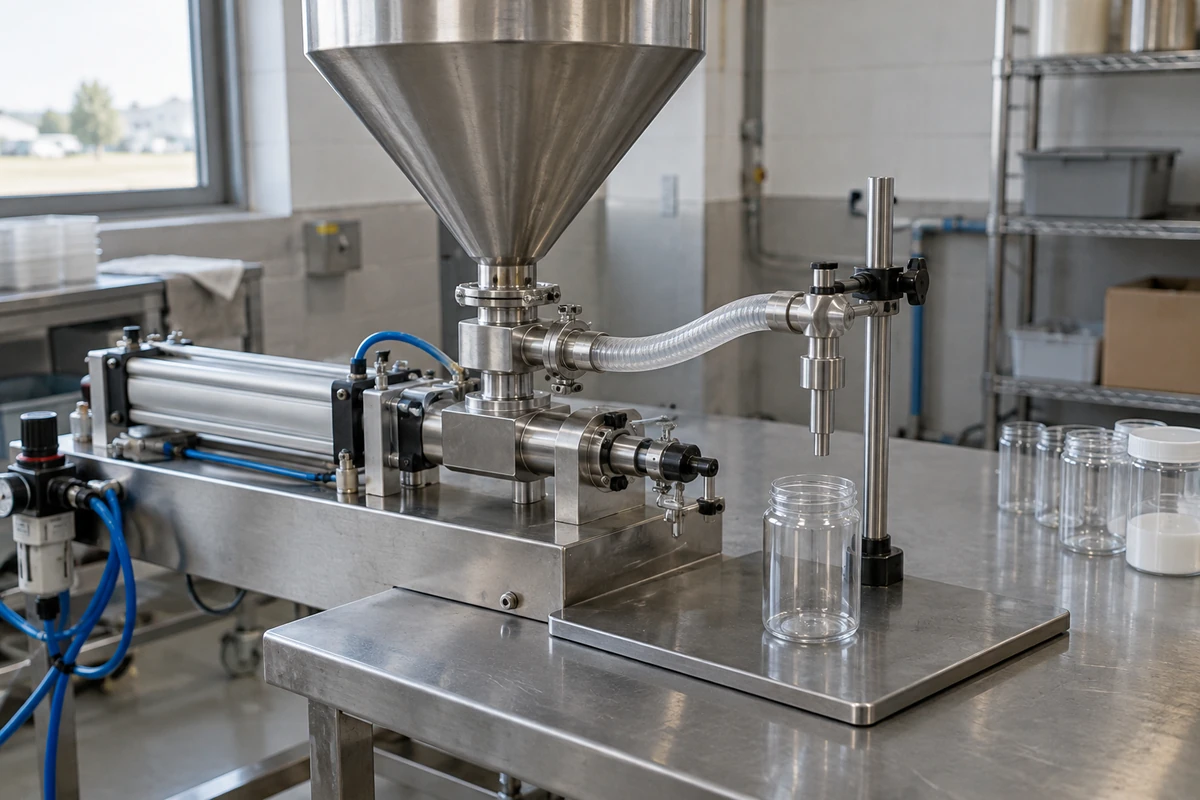
Stainless steel filling hopper and nozzle above an unlabelled sample jar

Your reading route

Define · Compare · Verify

STEP 01

Define what is being filled

Gather the formulation information available to you, the product temperature and how it behaves during handling. Record foaming, particles and cleaning requirements where relevant. If a property has not been measured, make it a question for a sample trial during vendor qualification.

STEP 02

Separate metering from line layout

Investigate how the proposed filler measures a dose and how it moves containers. Rotary and inline describe arrangements; they do not settle every metering question. Compare the configuration with the actual product and container in view.

STEP 03

Plan the handoffs

Record container drawings, closure requirements and what happens before and after filling. Ask how feeding, transfer, rejection, cleaning and changeover will be demonstrated. Label application belongs in the interface brief, while material and artwork choices need their own specialist assessment.

Start with these guides

Rotary Filling Systems: Layout, Metering and Buyer Checks — Separate the circular container route from the fill check, and keep Serac's 1 L net-weight ceiling and Accutek's 450 CPM level-filler speed on their own pages.

Viscous-Liquid Filling Machines: Product Inputs and Trials — Prepare product-condition, container and measurement records for viscous-liquid filler selection using documented rheology and sample trials.

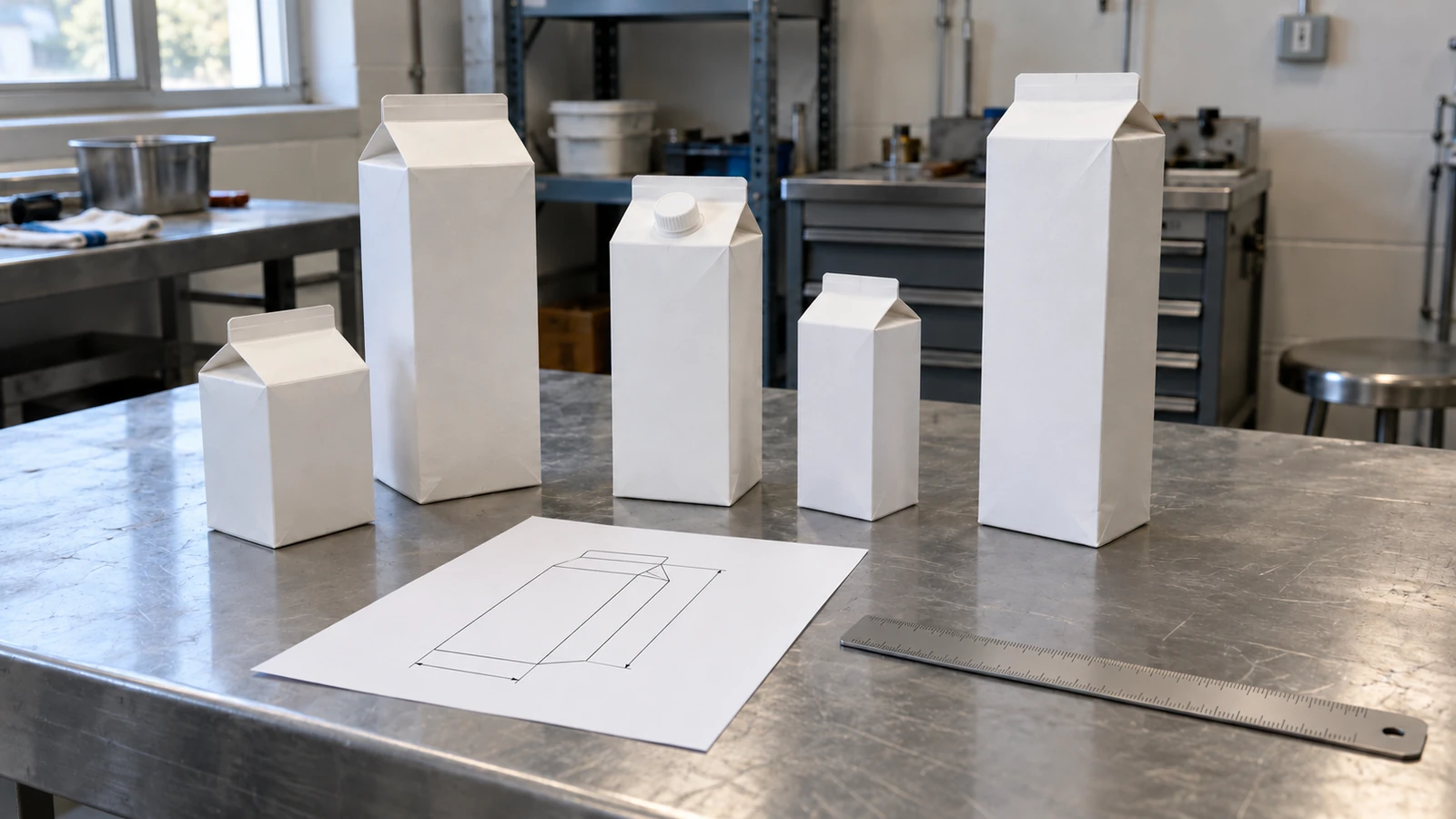
SIG Neo Aseptic Carton Filler: Check Capacity Before Floor Space — Match SIG's October 2026 XSlim 32 and Midi 15 ratings to pack family, floor area, waste, and discharge before reserving aisle space.

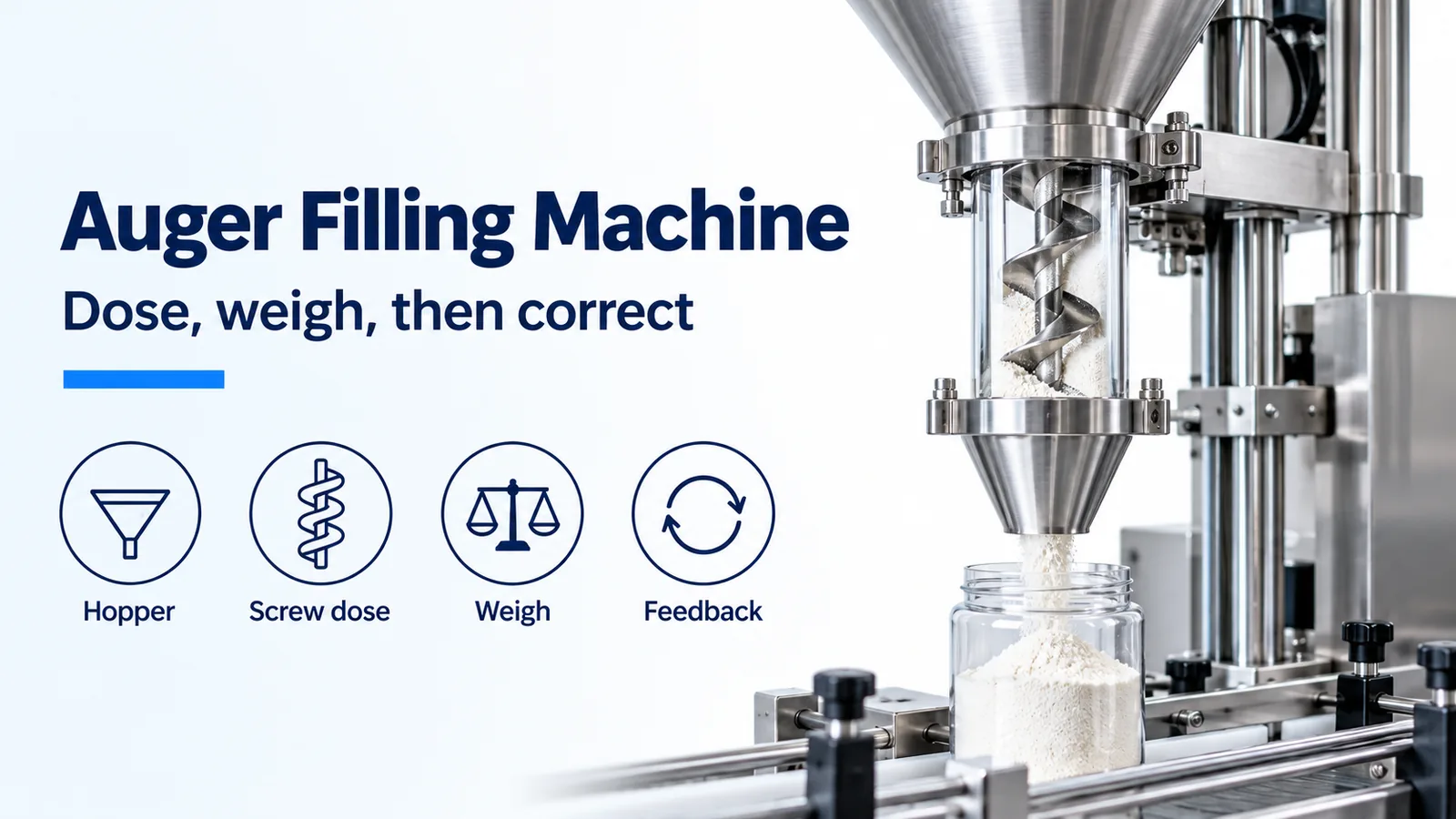
What Is an Auger Filling Machine? Dosing vs Weight Checks — Separate an auger filler's dose setting from weight measurement and feedback, then compare proposals with a function-evidence matrix and a demonstration record.

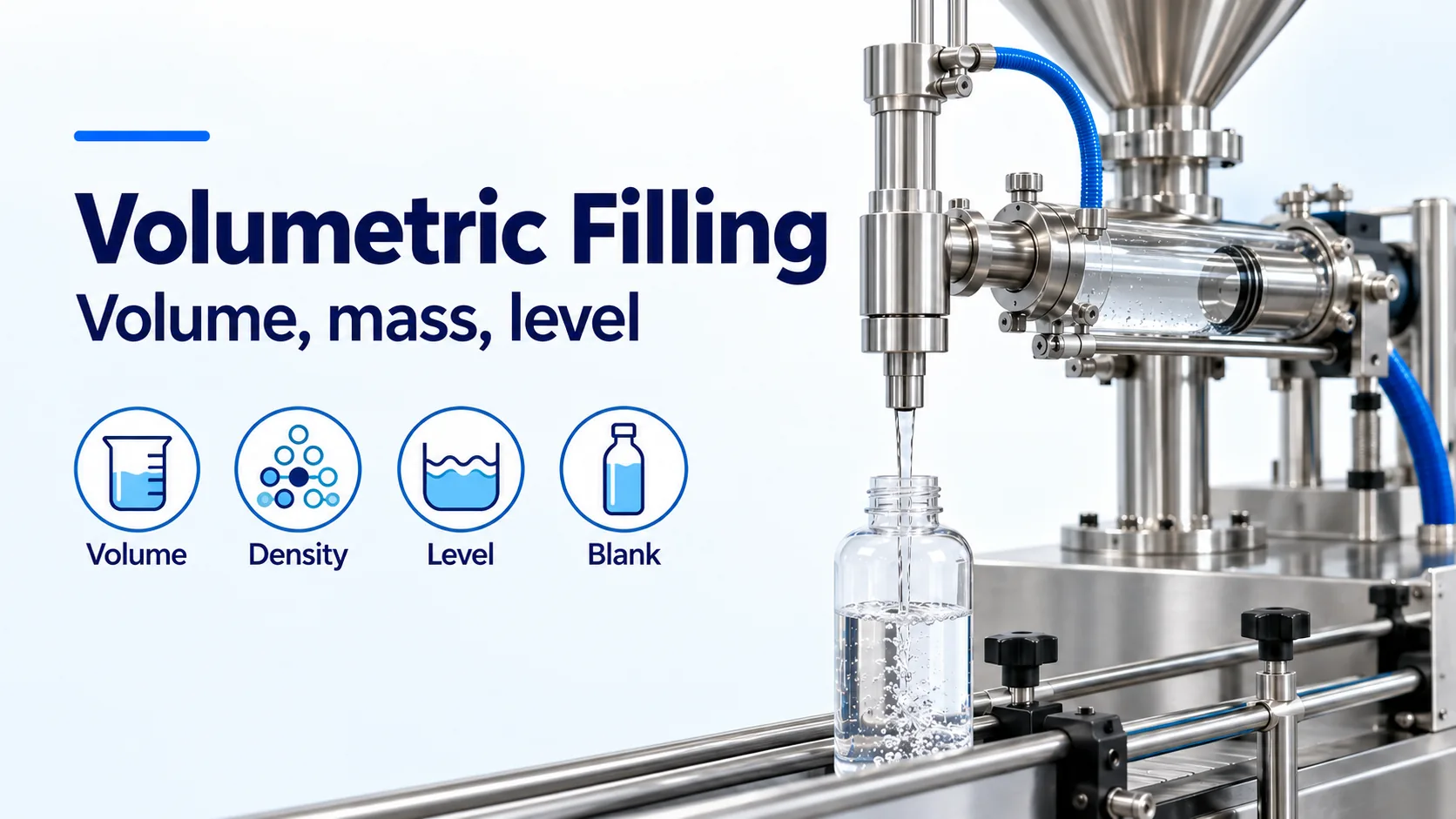
What Is a Volumetric Filling Machine? Volume, Mass, and Level — Understand how liquid volumetric dosing differs from checkweigher mass and fill-level inspection when evaluating supplier proposals.

What Is a Monoblock Filling Machine? Which Functions Are Included — Compare standard filling and capping stations against optional plug insertion, gas purging, and labeling across monoblock models.

Monoblock Filler Capper Changeover Limits: Fixed Starwheel Pitch vs Inline Modular Lines — Compare rotary starwheel change parts, chuck versus spindle capper tooling, and inline conveyor accumulation across container formats.

Guides in this section