RESEARCH DESK / 06

Automation

An automation choice must solve a defined process problem and fit the equipment around it. This section looks at line coordination, controls and changeovers from the perspective of a buyer planning an equipment project. It complements mechanical equipment guides with the questions that expose integration responsibilities.

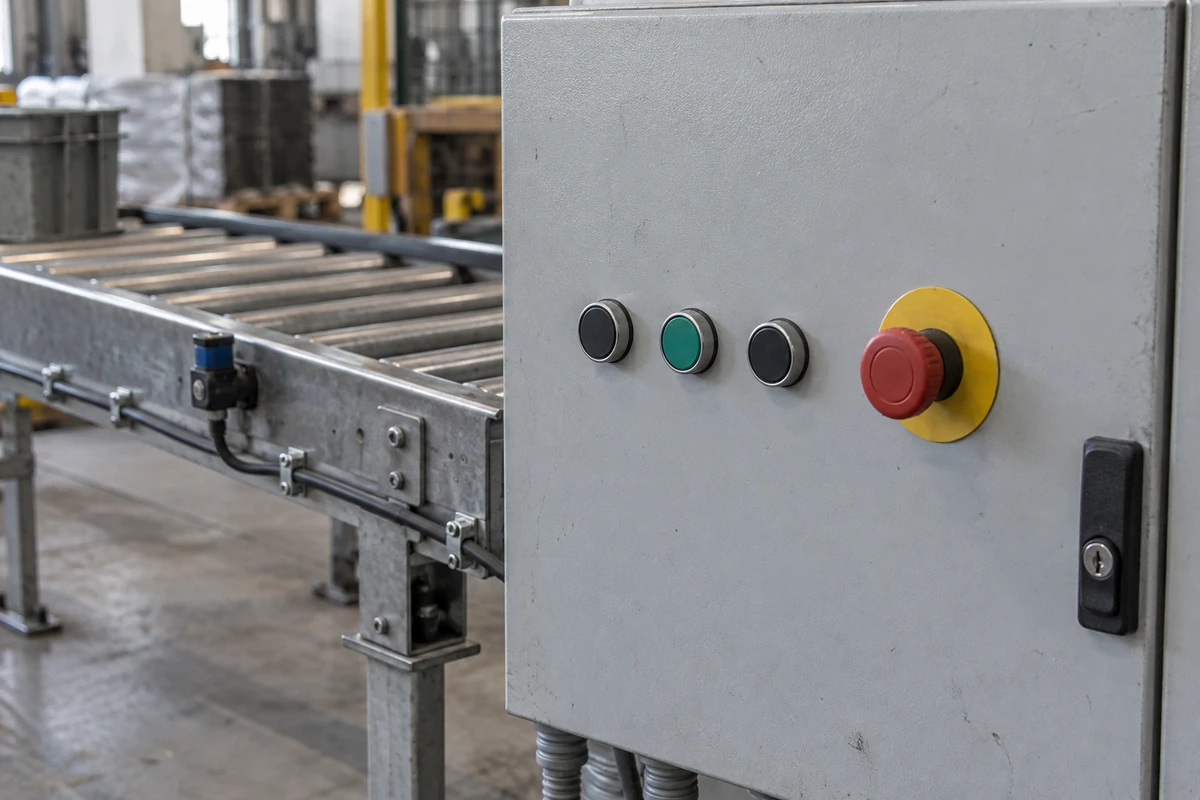
Closed industrial control cabinet with push buttons beside a conveyor

Your reading route

Define · Compare · Verify

STEP 01

Describe the change you need

Record which manual steps or coordination problems are being addressed and what a successful outcome would look like. Use the current process as the starting point. Do not assume that adding a robot or controller automatically resolves feeding, inspection or changeover problems.

STEP 02

Clarify the interfaces and ownership

Identify equipment boundaries, signals, product transfer and who will deliver each part of the integration. Ask what documentation will be supplied and how a stop or fault in one part of the line is handled. Unconfirmed details belong on the project question list.

STEP 03

Plan demonstration and ongoing use

Ask how operators will change products, respond to faults and obtain service. Demonstrations should cover the agreed application and configuration, with written records. Equipment installation, control changes and safety validation must follow the responsible manufacturer and site procedures.

Start with these guides

Industrial MIG Welding Machine Selection: 40°C Duty Cycle, Pulse Waveforms, and Robotic Cells — Size 100%-duty robotic MIG power sources, J3 upper-arm servo wire feeders, hollow-wrist torch moment budgets, and automated nozzle reamer stations.

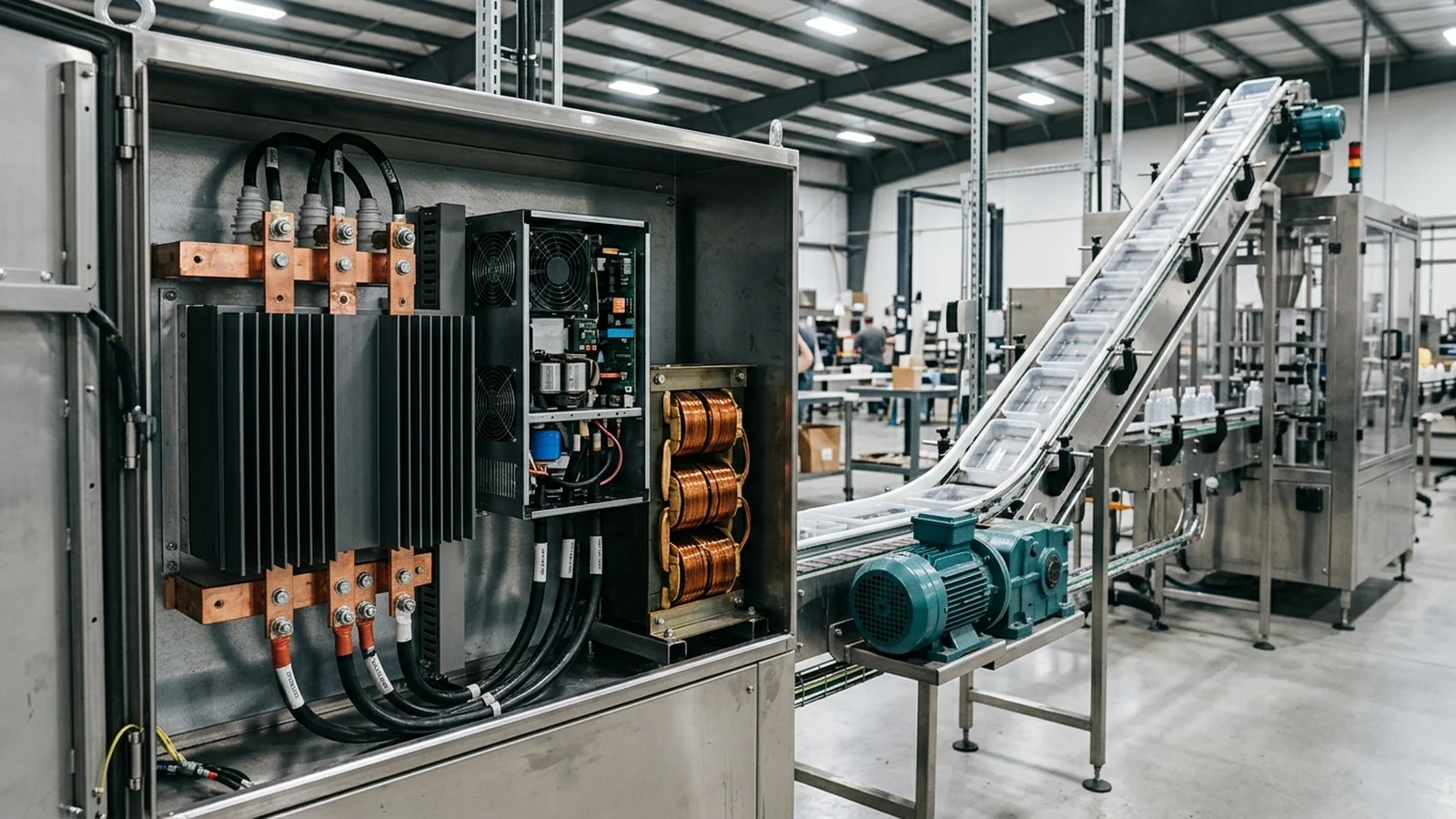
VFD vs Soft Starter for Industrial Machinery: Starting Torque, Harmonics & Motor Cable Limits — Compare solid-state soft starters and variable frequency drives across breakaway starting torque, harmonic distortion, panel cooling, and motor cable limits.

Guides in this section